 11
11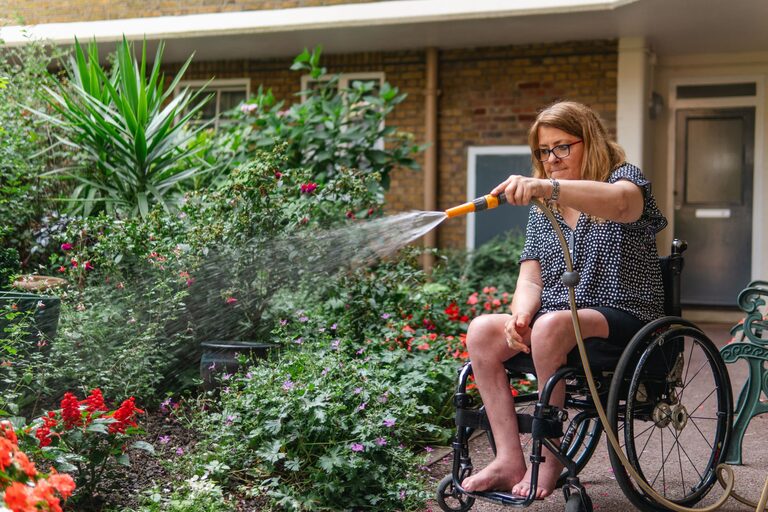
Gardening can be much more than a way to grow flowers, herbs, or vegetables. The right projects can add useful movement to your day, help you practice everyday strength, and create a peaceful place to slow down.
The goal is not to turn garden work into a strenuous workout. Instead, choose tasks that encourage steady movement, good posture, and regular breaks. By combining practical projects with calming features, you can create a garden that supports both activity and relaxation.
Raised beds are a useful project for growing vegetables, herbs, and flowers while making garden tasks easier to organize. They can also support comfortable movement by reducing the need to bend deeply or kneel for long periods.
Choose a height that allows you to reach the soil without straining. A lower bed may work well for some gardeners, while a taller design can make planting and harvesting more convenient. Leave enough space between beds for walking, carrying tools, and turning safely.
Working around a raised bed can include several types of gentle activity:
– Walking between rows
– Reaching across the soil
– Carrying small amounts of compost
– Squatting or sitting while planting
– Pulling weeds and trimming plants
– Lifting light watering cans
Keep loads small and use a wheelbarrow or garden cart for heavier materials. When lifting, hold items close to your body and move slowly.
Use untreated lumber, stone, or another outdoor-safe material. Plan the bed before building it, including the location of paths and access to water. A simple rectangular design is easy to maintain and can be expanded later.
A container herb garden is a flexible project for patios, balconies, porches, and small yards. Because containers can be placed at different heights, they allow you to vary your posture while caring for plants.
Place some pots on a sturdy table or plant stand, and keep others at ground level. This arrangement encourages you to alternate between standing, reaching, and sitting. Use lightweight containers if you expect to move them during the season.
Good beginner herbs include:
– Basil
– Chives
– Mint
– Parsley
– Rosemary
– Thyme
Group plants with similar light and watering needs. Choose containers with drainage holes, and place them where they are easy to reach without stretching across obstacles.
A garden path can turn routine outdoor tasks into a natural walking activity. It also makes the garden easier to explore and can connect planting areas, seating spaces, and storage locations.
Use stable, level materials such as pavers, compacted gravel, brick, or mulch. Avoid creating sudden changes in height. A clear path should be wide enough for comfortable walking and for carrying a small basket or watering can.
Plant low-growing flowers, fragrant herbs, or ornamental grasses along the edges. You can also add simple signs that identify plants or mark different garden sections. These details encourage you to pause, look closely, and enjoy the space rather than rushing through chores.
A winding path can make a small garden feel larger, while a straight path may be easier to plan and maintain. Choose the design that fits your space and feels comfortable to use.
A well-organized tool station reduces unnecessary bending, searching, and carrying. It can also make gardening feel more inviting by keeping essential items close at hand.
Use a small outdoor cabinet, wall-mounted hooks, or a weather-resistant storage box. Arrange frequently used tools between waist and shoulder height. Store heavier items lower down and keep sharp tools secured.
Include a simple supply area for:
– Hand trowels
– Pruning shears
– Gloves
– Plant labels
– Twine
– Watering tools
– A small bucket for weeds
A stool or sturdy garden seat can make planting and maintenance more comfortable. Choose one with a stable base and place it on a firm surface.
Set aside a small area where you can pause before, during, or after garden work. This does not need to be a large space. A bench, chair, or flat patch of lawn may be enough.
Add a few plants that create a pleasant view, such as lavender, ornamental grasses, flowering shrubs, or seasonal bulbs. Position the seat near the garden without placing it in the way of paths or watering equipment.
Use the space to:
– Take a few slow breaths
– Enjoy the garden’s scents and sounds
– Drink water
– Review the day’s tasks
– Sit quietly between activities
– Observe birds, butterflies, or changing weather
Short pauses can make garden work feel more balanced and give you a chance to notice how your body feels.
Watering can be a calming routine, especially when it is organized to avoid unnecessary lifting. Consider adding a rain barrel, drip hose, or compact watering station where appropriate for your space and local conditions.
A rain barrel can provide water for garden use, while a watering wand may help reach plants without excessive bending. If you use a watering can, fill it only partway so it is easier to carry.
Create a routine that includes walking from plant to plant, checking the soil, and removing small weeds. Move at a steady pace instead of trying to finish everything quickly.
Always place hoses neatly after use and keep water containers stable. Clear paths help reduce tripping hazards and make the garden more pleasant to navigate.
A sensory garden is designed to engage sight, smell, touch, and sound. It can support relaxation by giving you simple details to notice during everyday outdoor time.
Choose a mix of textures and colors. Soft ornamental grasses can move in the breeze, while plants with interesting leaves add variety. Fragrant herbs and flowers can make the space feel welcoming. A small fountain, wind chime, or birdbath can add gentle background sounds.
When selecting plants, consider their mature size and maintenance needs. Keep thorny or irritating plants away from narrow paths and seating areas.
A thoughtful routine can help you enjoy the physical side of gardening without overdoing it. Before starting, decide on one or two tasks rather than trying to complete the entire garden at once.
Helpful habits include:
– Start with a short walk around the garden
– Warm up with easy arm and shoulder movements
– Alternate tasks and body positions
– Use tools with comfortable handles
– Take regular water breaks
– Stop when you feel tired or uncomfortable
– Clean and store tools after finishing
Use both sides of your body when practical, and avoid staying in one position for too long. If a task feels awkward, change the setup, use a different tool, or ask for help with heavy work.
The most supportive garden combines active areas with places to pause. A raised bed can provide purposeful movement, a path can encourage walking, and a nearby bench can create a peaceful spot for rest.
Start with one manageable project. Once you learn how the space works, add features that improve comfort and enjoyment. With thoughtful planning, gardening can become a steady part of your routine—one that keeps you moving, gives you useful outdoor tasks, and creates room for relaxation.